From the Ground Up: Building Athletic Facilities That Last
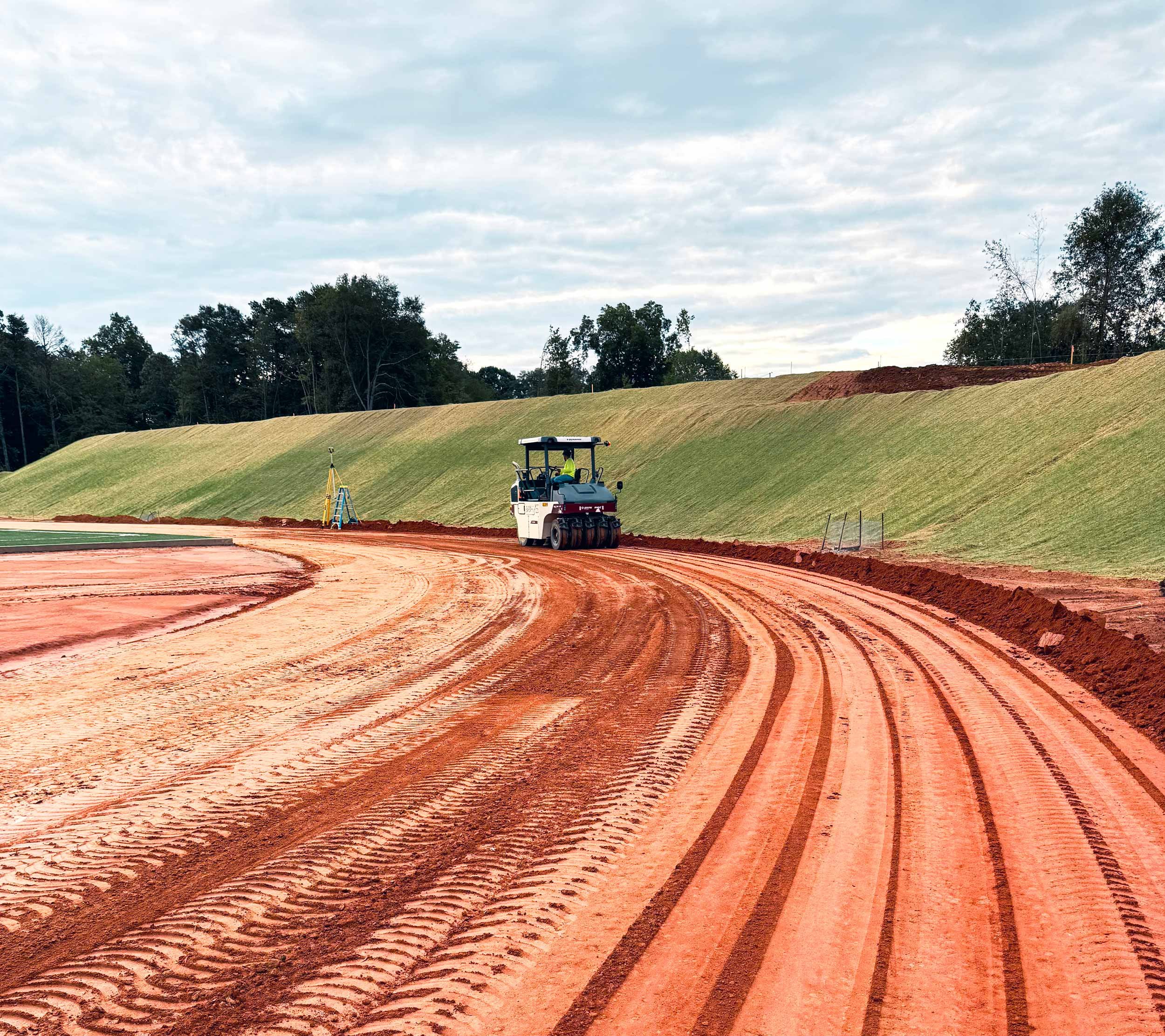
Athletic facilities are engineered systems, not just finished surfaces. While the track, field, or court may be the most visible element, long-term performance is determined by what lies beneath. Substructure design, drainage integration, and construction quality ultimately dictate whether a facility performs for decades or requires premature repair.
For schools and universities, understanding these fundamentals is essential to making informed, cost-effective decisions.
Substructure: The Critical Load-Bearing System
The substructure is responsible for supporting surface materials, distributing loads, and maintaining structural stability under repeated use. In track and field and multi-sport facilities, this system must withstand athlete traffic, maintenance equipment, and environmental stress.
A properly engineered substructure typically includes:
Undisturbed or stabilized subgrade, evaluated for soil composition and bearing capacity
Aggregate base layers, selected for gradation, strength, and permeability
Precise compaction, verified to meet specified density requirements
Accurate grading, ensuring consistent surface slopes and transitions
Failure at any of these stages can result in differential settlement, surface cracking, or drainage failure.
Drainage Integration: Managing Water at Every Layer
Water infiltration is the leading cause of athletic facility deterioration. Effective drainage is not limited to surface runoff—it must function through the entire pavement structure.
Key drainage considerations include:
Subsurface drainage systems designed to remove water from base layers
Permeable or free-draining aggregate bases where appropriate
Positive surface slopes that prevent ponding
Coordination with surrounding turf, curbs, and hardscape to control water flow
In colder climates, proper drainage also minimizes freeze-thaw damage that can compromise both the surface and base over time.
Designing for Sport-Specific Demands
Track and field facilities experience concentrated wear in predictable areas, particularly on curves, sprint zones, and field event access points. Football and soccer fields present different loading and drainage challenges due to wider surface areas and heavy equipment use.
Design considerations should account for:
High-stress zones and traffic patterns
Equipment access routes and staging areas
Multi-sport usage and seasonal conversions
Compliance with governing body standards and tolerances
Ignoring these factors often leads to localized failures that spread over time.
Construction Execution: Where Design Meets Reality
Even well-designed facilities can fail without disciplined construction practices. Successful execution requires continuous quality control throughout each phase of work.
Critical construction elements include:
Verification of subgrade stability before base placement
Layer-by-layer compaction testing
Maintaining grade tolerances throughout construction
Weather management to protect materials and workmanship
Experienced contractors understand how to adapt to site-specific conditions without compromising performance standards.
Lifecycle Planning and Long-Term Performance
Athletic facilities should be planned with their full lifecycle in mind, not just initial installation. Schools that take a long-term approach typically see lower total ownership costs and fewer operational disruptions.
Lifecycle planning includes:
Scheduled inspections and routine maintenance
Early identification of drainage or structural issues
Budgeting for resurfacing based on usage and climate
Understanding the difference between surface repairs and structural rehabilitation
Addressing issues early helps preserve both athlete safety and facility value.
Building with Confidence from the Ground Up
Athletic tracks and fields are critical infrastructure that support performance, safety, and community engagement. Facilities built with attention to substructure engineering, drainage performance, and construction precision consistently outperform those built with a surface-first mindset.
By focusing on what lies beneath, schools and universities can invest with confidence, knowing their facilities are built to last.